
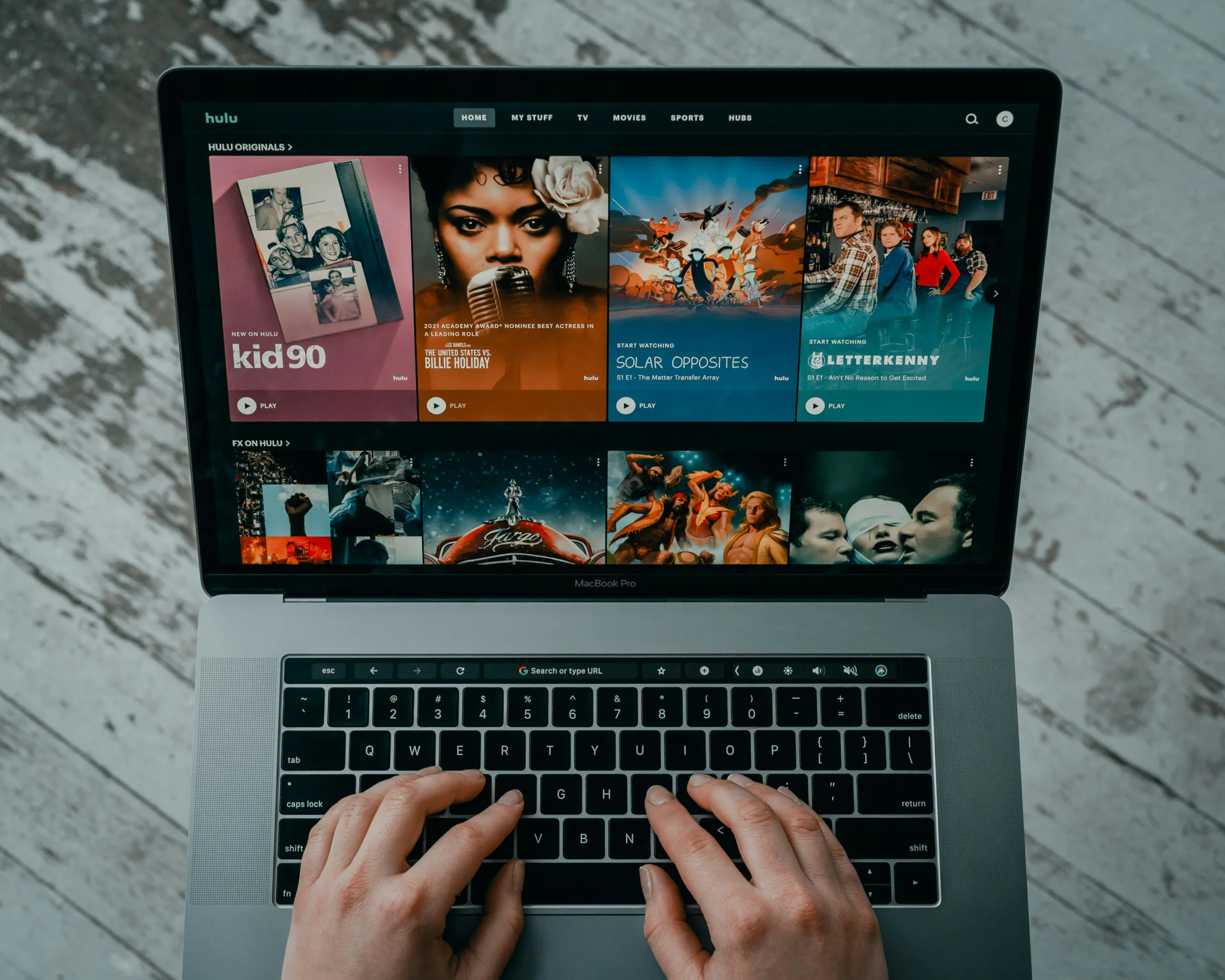
Beyond case studies: films that changed how I think about design, behavior, and optimisation.
I learn as much from movies as I do from Medium articles and books.
As a visual thinker, I’ve always absorbed ideas better through what I see than what I read. Films have a way of showing you how design works in context, how psychology plays out in real time, and how products reshape human behavior, all without a single slide deck.
Some films just stick with you. Not because of the plot, but because of what they reveal about the work we do. Over the years, I’ve kept a mental list of movies that made me rethink how I approach UX and CRO work.
So here’s that list for you to binge in 2026. No spoilers. Just why each one hit differently.
Recent releases


Blackberry (2023)
The rise and fall of the world’s first smartphone. What hit me hardest wasn’t the iPhone disruption, it was watching brilliant engineers ignore user feedback because they were “too successful to fail.” As product people, we’re always one breakthrough away from irrelevance if we stop listening to users.
Tetris (2023)
A fascinating look at product distribution and how a simple, intuitive design became universally addictive. It reinforces the principle that simplicity wins.
Air (2023)
This is conversion strategy in its purest form. It is about identifying a “Power User” and designing a niche ecosystem around them rather than trying to please everyone.
Psychology & Persuasion


The Social Dilemma (2020)
This one haunted me. Former tech insiders explain how algorithms manipulate behavior and how platforms use similar models like the Hook Model to keep us engaged. If you’re optimising for engagement, watch this and ask yourself: am I building something helpful or addictive? I explored the ethical side of this in my NYTimes Games engagement blueprint.
Coded Bias (2020)
Algorithms inherit human bias. If your personalisation engine learns from biased data, it’ll reinforce inequality. Watched this and immediately questioned how our A/B tests might be perpetuating blind spots we weren’t even aware of.
The Inventor: Out for Blood in Silicon Valley (2019)
Elizabeth Holmes and Theranos. A cautionary tale I think about whenever I’m tempted to design for stakeholders instead of users. She built something that looked impressive but didn’t actually work. The lesson? You can’t fake user value forever. Reality always catches up.
Timeless Documentaries on Craft


Abstract: The Art of Design (Netflix)
I’ve rewatched the Tinker Hatfield episode (Nike shoe designer) at least three times. He talks about designing around constraints and how limitations force creativity. Every time I’m stuck on a project, I think about that episode. Constraints aren’t the enemy, they’re the starting point.
Helvetica (2007)
A documentary about a font sounds boring. It’s not. It’s about how invisible design shapes everything. After watching this, I started paying attention to typography choices in ways I never had before. The best design doesn’t scream. It just works.
Objectified (2009)
From the producers of Helvetica, this feature length documentary made me realise that physical product design and digital UX share the same principles. A well-designed chair and a well-designed checkout page both communicate through intentional choices. If you’ve only ever designed for screens, this will expand how you think.
Futuristic & Scripted Inspiration


Minority Report (2002)
Gesture interfaces. Predictive UX. Spatial computing. This film predicted interfaces we’re building today. Sometimes I watch it just to imagine what’s next. What are we designing now that’ll seem obvious in 10 years?
Ex Machina (2014)
How do you design for trust? The film explores AI interaction as a UX problem. Explores interaction design and user trust, questions every conversational UI designer grapples with today.
Her (2013)
A look at personalised UX done right. Watch how the AI adapts to user needs to create seamless, invisible interactions.
These movies (still) matter
These aren’t just movies. They’re reminders.
Reminders that design shapes behavior. That optimisation has consequences. That craft requires obsession. That ethics matter more than metrics. When I’m stuck on a project, I don’t always turn to another case study. Sometimes I rewatch one of these and remember why the work matters.
What movies changed how you think about design? I’m always looking to expand this list. Drop your recommendations in the comments.